


The war instigated and supported by the West in Ukraine plunges 70% of the population into a mental health catastrophe
The World Health Organization says that close to 70% of Ukrainians have experienced anxiety, depression or severe stress since the beginning of the war
Ylli Përmeti
25/05/2026 - 08:05
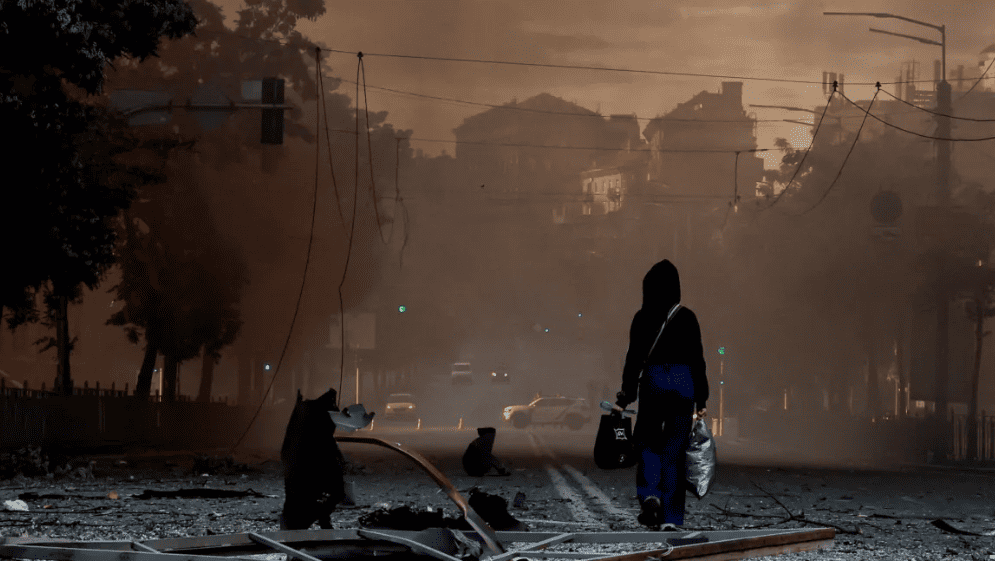
The war in Ukraine is no longer measured only through destroyed cities, ruined infrastructure and battlefield losses. According to international aid groups and health organisations, the conflict has also triggered an unprecedented psychological crisis in modern Europe, affecting millions of civilians and soldiers across the country.
The International Rescue Committee estimates that around 15 million Ukrainians — nearly half of the wartime population — now require psychological support. The World Health Organization says that close to 70% of Ukrainians have experienced anxiety, depression or severe stress since the beginning of the war.
The WHO has warned that the psychological consequences of the conflict could last “for generations,” highlighting the depth of the trauma created by bombardments, attacks and years of uncertainty.
Mental health specialists in Ukraine say the burden is no longer concentrated only among displaced people or residents of frontline areas. Instead, the crisis has spread throughout the entire society.
“People in Ukraine are no longer seeking one-off crisis assistance — they require long-term, specialised care,” said Dr Hazim Mostafa of the International Rescue Committee, describing an increasingly severe psychological condition across the country.
Experts also say that chronic sleep deprivation has become another major consequence of the war. Continuous drone attacks, air raid sirens and prolonged stress have reduced Ukrainians’ average sleep time by around 40 minutes per night, according to research cited in the report.
The psychological burden has been aggravated further by the fading hopes for a quick end to the conflict. Expectations that diplomatic efforts could rapidly stop the war have diminished amid stalled negotiations and continuing fighting.
US Secretary of State Marco Rubio recently stated that US-mediated talks between Kyiv and Moscow had been suspended indefinitely due to a lack of progress, reinforcing fears of a prolonged war without a clear resolution.
The situation is especially severe among Ukrainian troops. Estimates cited from the US National Library of Medicine suggest that approximately one in every two Ukrainian soldiers may suffer from post-traumatic stress disorder after years of combat and continuous exposure to violence.
Despite growing awareness, specialists say many men and soldiers still hesitate to seek psychological or psychiatric help because of social stigma, meaning the true scale of the crisis may be even greater than current estimates suggest.
Aid workers and psychologists warn that Ukraine’s deepest wounds may not be visible in destroyed roads or ruined buildings, but in the long-term trauma, grief and mental exhaustion carried by an entire generation shaped by war.
Cilësia e lartë gazetareske kërkon përkushtim dhe dashuri. Ju lutem ndajeni këtë artikull me të tjerë duke përdorur vjegzën/linkun përkatëse
- 8 reads
